Review of the Top Free Online Project Management Courses
Learning Styles and Course Formats
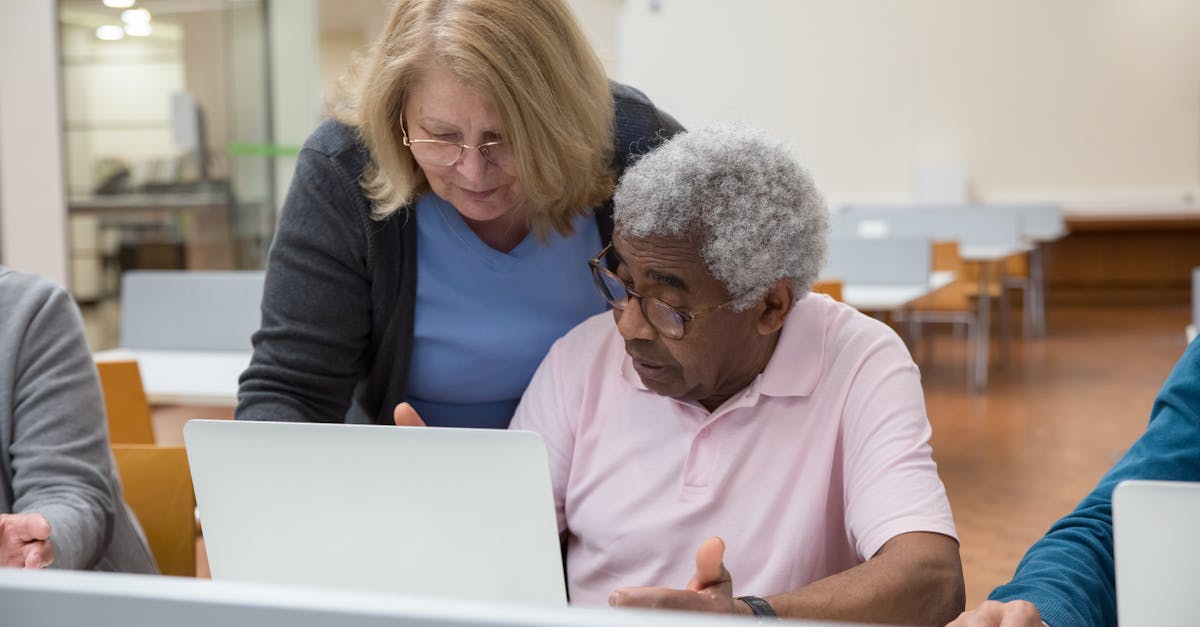
Individuals often have distinct learning preferences that can significantly influence their experience in online courses. Some may thrive in visual environments, benefiting from video lessons that combine audio and imagery to enhance comprehension. Others may prefer text-based resources, where they can digest information at their own pace. Courses that provide a blend of both formats tend to cater to a wider range of learning styles, ensuring all students can engage with the material effectively.
The structure of a course also plays a critical role in learner engagement and knowledge retention. Interactive elements, such as quizzes and discussion forums, can complement traditional content delivery. Additionally, the flexibility of online courses allows learners to revisit challenging topics or complete modules on their own timeline. This adaptability in course formats ultimately supports diverse educational journeys, fostering a better understanding of project management principles.
Choosing Between Video Lessons and Text-Based Resources
Video lessons provide an engaging and dynamic way to absorb information. The use of visual elements, like graphics and animations, can enhance understanding of complex concepts. Learners often benefit from seeing practical demonstrations, which can turn abstract theories into tangible skills. With a focus on visual and auditory learning styles, video content can cater to those who prefer a more interactive approach to education. Additionally, the flexibility of being able to pause and replay segments allows for a more tailored learning experience.
Text-based resources, on the other hand, offer their own unique advantages. Written materials allow for in-depth exploration of topics at one’s own pace. Many individuals find that they can highlight key points, make notes, and easily refer back to specific passages when needed. Text also facilitates a deeper engagement with the material, especially for those who prefer to digest information through reading and critical analysis. This method supports diverse learning styles by inviting readers to reflect and absorb information thoroughly.
Case Studies of Successful Course Graduates
Numerous graduates from free online project management courses have successfully transitioned into prominent roles within their organisations. One graduate, who completed a renowned course, highlighted how the tools and strategies learned were instrumental in leading multiple projects simultaneously. By employing agile methodologies taught during the course, this individual increased their team's efficiency significantly, leading to a recognisable improvement in project delivery timelines.
Another case involves a recent graduate who secured a managerial position shortly after finishing their studies. They attributed their newfound confidence and practical skills to the comprehensive curriculum offered in their course. This graduate effectively utilised resources like Gantt charts and Kanban boards in their new role, streamlining workflows and enhancing team collaboration. Their success story illustrates the relevance of theoretical knowledge and its application in real-world scenarios.
Real-World Applications of Project Management Skills
Skills acquired through project management courses translate effectively into various industries, enhancing an individual's ability to handle complex tasks. Graduates often find themselves equipped to lead teams, manage budgets, and efficiently allocate resources. These capabilities are invaluable in sectors ranging from construction to IT, where structured methodologies can significantly influence project outcomes. Real-world scenarios often require critical thinking and decision-making skills, both fostered through the curriculum of these courses.
Moreover, the adaptability of project management skills allows graduates to apply them in frequently changing environments. For instance, in marketing, professionals can navigate campaigns using agile frameworks, ensuring that deliverables meet evolving client needs. Similarly, in non-profit organisations, these skills facilitate better coordination of volunteers and resources. The ability to tailor project management techniques to specific challenges ensures sustained relevance and effectiveness in diverse workplace settings.
Tools and Software Familiarised in Courses
Many free online project management courses introduce learners to a variety of essential tools and software. Popular options include platforms like Trello, Asana, and Microsoft Project, which are frequently highlighted in course materials. These tools facilitate task management and team collaboration, making them vital for aspiring project managers. The courses often provide hands-on activities to help learners gain familiarity with these environments, allowing for a more practical understanding of their functionalities and benefits.
Beyond just familiarisation, these courses may also demonstrate how to integrate software into real-world project scenarios. They often cover the use of Gantt charts, Kanban boards, and agile methodologies to offer a comprehensive approach to project management. Participants are usually encouraged to apply theoretical knowledge through simulated tasks, which emphasises the significance of practical experiences in mastering these tools effectively. This practical engagement can enhance confidence and competence in managing projects within various industries.
Importance of Practical Tool Experience
Hands-on experience with project management tools is vital for effectively applying theoretical knowledge. Engaging in real-world scenarios allows learners to navigate various functionalities and features of software commonly used in the industry. This practical exposure not only enhances understanding but also builds confidence in managing projects from conception to completion. Many free online courses incorporate assignments and case studies that require the use of these tools, simulating actual project environments.
Familiarity with specific software can set candidates apart in a competitive job market. Employers often look for individuals who not only understand project management principles but can also demonstrate proficiency in tools that streamline workflow and enhance collaboration. Training with recognised platforms encourages learners to adapt to different systems quickly, supporting their transition into professional roles. This practical experience ensures that graduates are well-prepared to tackle project management challenges effectively.
FAQS
What are some key factors to consider when choosing a free online project management course?
Key factors include your preferred learning style, the course format (video lessons or text-based resources), the relevance of case studies, and the practical tools and software that will be covered.
Are video lessons more effective than text-based resources for learning project management?
The effectiveness of video lessons versus text-based resources largely depends on individual learning styles. Some learners may prefer the visual and auditory stimulation of videos, while others may find that text-based resources allow for deeper engagement and note-taking.
How can successful course graduates apply their project management skills in the real world?
Successful course graduates can apply their project management skills in various ways, such as leading projects in their current jobs, improving team collaboration, or even starting their own ventures by utilising the knowledge and tools acquired during the course.
What types of tools and software are commonly introduced in free online project management courses?
Common tools and software include project management platforms like Trello, Asana, and Microsoft Project, along with collaboration tools such as Slack and Google Workspace, which help in planning, tracking, and managing projects effectively.
Why is practical tool experience important in project management courses?
Practical tool experience is crucial as it equips learners with hands-on skills to effectively manage projects. Familiarity with industry-standard tools enhances employability and confidence when applying project management principles in real-world scenarios.
Related Links
Roundup of Free Project Management Courses for New ProfessionalsThe History of Free Online Learning in Project Management
7 Best Free Online Project Management Courses for Beginners
Why Free Project Management Resources Are Essential for New Managers